
 GPhC Registered: 9012621
Varenicline Tablets for Smoking Cessation
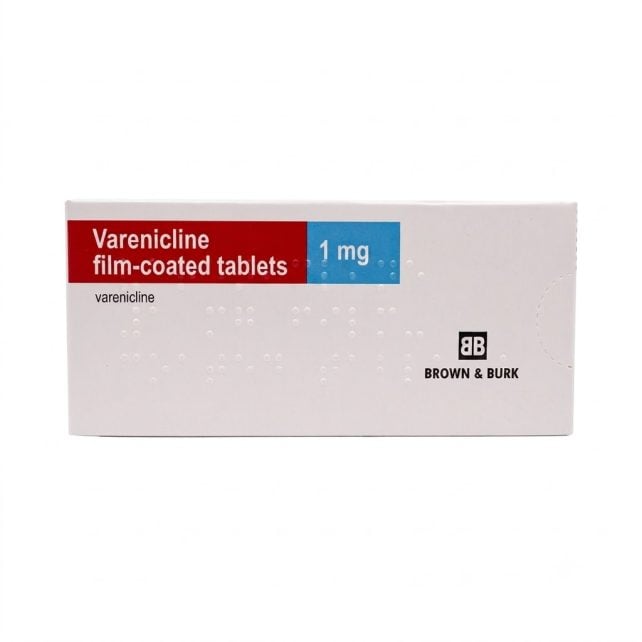
• Helps reduce nicotine cravings and withdrawal symptoms
• Tablet treatment for adults who want to stop smoking
• Prescription-only medicine following online assessment
• Regulated service with delivery available
Want your order delivered tomorrow?
Order within the next 11 hour 33 minutes to get it delivered tomorrow.
Experienced UK-registered prescribers
Owned by qualified doctors
2-minute consultation
UK-wide express delivery
Product information: Varenicline Tablets for Smoking Cessation
What is Varenicline?
Varenicline is a prescription medicine used to help adults stop smoking. It does not contain nicotine. It reduces cravings and withdrawal symptoms while also making smoking feel less rewarding if a cigarette is smoked during treatment.
Varenicline was previously best known in the UK under the brand name Champix. Generic varenicline products are now available.
How does Varenicline work?
Nicotine attaches to alpha4beta2 nicotinic receptors in the brain and triggers dopamine release, which contributes to the rewarding and addictive effects of smoking. Varenicline partly stimulates these receptors while also preventing nicotine from attaching to them fully.
This dual action can reduce the urge to smoke, ease withdrawal symptoms and lessen the satisfaction obtained from smoking.
What is Varenicline used for on this page?
- Helping adults stop smoking tobacco.
- Reducing nicotine cravings and withdrawal symptoms during a planned quit attempt.
- Supporting a quit attempt alongside behavioural advice, counselling or a stop-smoking programme.
It is not used here for:
- People under 18 years of age.
- Smoking reduction without an agreed plan to stop, unless a clinician has advised a gradual quit approach.
- Treating nicotine withdrawal without a proper suitability assessment.
- Pregnancy
Your prescriber will confirm whether varenicline is appropriate based on your smoking history, previous quit attempts, medical history, kidney function and current medicines.
Who may be suitable for Varenicline?
You may be suitable if you:
- Are aged 18 years or over and currently smoke tobacco.
- Are motivated to stop smoking and are willing to set a quit date or follow an agreed gradual reduction plan.
- Want a nicotine-free treatment to reduce cravings and withdrawal symptoms.
- Can take tablets regularly and engage with behavioural or stop-smoking support.
Your prescriber will consider:
- How much and how often you smoke, how soon after waking you smoke, and previous quit attempts.
- Any history of depression, anxiety, other mental health conditions, seizures or fainting.
- Your kidney function, as the dose may need to be reduced in severe renal impairment.
- Whether stopping smoking may alter the effect of medicines you already take.
- Whether another stop-smoking treatment may be more suitable for you.
Who should not use Varenicline or needs medical advice first?
Do not use without medical assessment if you:
- Are allergic to varenicline or any of the tablet ingredients.
- Are under 18 years of age.
- Are pregnant, think you may be pregnant or are planning a pregnancy.
- Have end-stage kidney disease, as treatment is generally not recommended.
- Have previously developed a serious reaction to varenicline.
Use with caution and make sure your prescriber knows if you:
- Have severe kidney impairment or reduced kidney function.
- Have a history of seizures or another condition that may lower the seizure threshold.
- Have current or previous depression, bipolar disorder, psychosis, suicidal thoughts or another significant mental health condition.
- Have cardiovascular disease or have recently experienced new or worsening heart or circulation symptoms.
- Are breastfeeding.
- Regularly drink alcohol, because varenicline may increase its intoxicating effects in some people.
- Use nicotine replacement therapy or another stop-smoking medicine, as combinations should only be used following clinical advice.
How do I take Varenicline?
Your prescriber will confirm the exact directions.
Practical advice:
- Swallow the tablets whole with water.
- Varenicline can be taken with or without food, but taking it after food with a full glass of water may reduce nausea.
- Try to take the morning and evening doses at consistent times.
- Do not take more than the dose prescribed.
- If side effects are difficult to tolerate, the dose may be reduced to 0.5 mg twice daily following clinical review.
- People with severe kidney impairment normally need a lower maximum dose.
Planning your quit attempt
- Set a clear quit date, usually 1 to 2 weeks after starting treatment.
- Remove cigarettes, tobacco, lighters and ashtrays before the quit date.
- Identify situations that trigger smoking and plan alternatives in advance.
- Use behavioural support, counselling, a local stop-smoking service or another structured support programme.
- A lapse does not necessarily mean the attempt has failed. Continue treatment unless advised otherwise and return to the quit plan promptly.
Medicines and smoking cessation
Varenicline itself has relatively few direct medicine interactions. However, stopping smoking can change how the body processes some medicines. Your dose or monitoring may need review if you take medicines such as:
- Theophylline.
- Warfarin.
- Insulin or other diabetes treatments.
- Clozapine or olanzapine.
- Other medicines where smoking status affects blood levels or response.
Always provide a complete list of prescription medicines, over-the-counter products and supplements in the consultation.
Side effects and when to get help
The most common side effect is nausea. Other common effects can include headache, dizziness, sleep disturbance, vivid or unusual dreams, tiredness, indigestion, constipation, diarrhoea or changes in appetite. These effects are often mild to moderate and may improve as treatment continues.
Stop taking varenicline and seek urgent medical advice if you develop:
- Serious changes in mood, behaviour or thinking, including suicidal thoughts or thoughts of self-harm.
- A seizure.
- Severe swelling of the face, lips, tongue or throat, difficulty breathing, or another serious allergic reaction.
- A severe skin reaction, widespread blistering or peeling.
- New or severe chest pain, marked shortness of breath, collapse or other concerning cardiovascular symptoms.
How it works
Online consultation
Fill out a simple online form with no GP or pharmacy visits.
Clinical review
A UK-registered pharmacist reviews your details to decide the best treatment option for you.
Receive your prescription
If prescribed, you can get express delivery in discreet packaging right to your doorstep.
Delivery Information
Royal Mail Tracked 24
1–2 working days
£3.99
Royal Mail Special Delivery
Guaranteed next working day delivery
£8.95
Discreet Packaging
All orders are sent in plain, unmarked packaging with no indication of the contents. Your privacy is our priority.
Frequently asked questions about Varenicline Tablets for Smoking Cessation
Choose a date to stop smoking and usually begin varenicline 1 to 2 weeks before that date. You continue smoking initially while the dose is increased, then stop on the planned quit date.
A standard course lasts 12 weeks. A further 12 weeks may sometimes be considered for people who have stopped successfully but are at increased risk of relapse.
Cravings may begin to reduce within the first several days. The dose is increased gradually during the first week, and the full maintenance dose is normally reached on day 8.
The usual approach is to set a quit date 1 to 2 weeks after starting treatment. A gradual reduction approach can sometimes be used for people who cannot or do not want to stop abruptly, but this should be agreed with the prescriber.
A lapse does not automatically mean the treatment has failed. Continue taking varenicline as prescribed, identify what triggered the lapse and return to your quit plan. Seek additional support if lapses continue
Do not combine varenicline with nicotine replacement therapy unless a clinician has advised it. Combination treatment can increase side effects and is not appropriate for everyone.
Keep alcohol low and be cautious. Some people have reported stronger intoxicating effects, unusual behaviour or reduced memory when alcohol was taken with varenicline.
Take the tablet after food with a full glass of water. If nausea remains troublesome, contact your prescriber because a temporary or permanent dose reduction may be considered.
Take it when you remember unless it is nearly time for the next dose. Skip the missed dose if the next one is due soon. Do not take two doses together.
Stopping smoking itself can affect mood, sleep and irritability. Serious mood or behavioural changes have also been reported during varenicline treatment. Stop the medicine and seek urgent medical advice if you develop suicidal thoughts, severe depression, aggression, unusual behaviour or other serious mental health symptoms.
Varenicline can cause dizziness, sleepiness or reduced concentration in some people. Do not drive, cycle or operate machinery until you know how it affects you.
Some weight gain can occur after stopping smoking because appetite and metabolism change. Regular meals, healthy snacks and physical activity can help. The health benefits of stopping smoking are much greater than the risks associated with modest weight gain.
A consultation checks that varenicline is suitable, confirms the correct dosing plan, identifies kidney or mental health cautions, reviews medicines that may be affected when smoking stops, and helps create a realistic quit plan.
No. This information supports, but does not replace, advice from your GP, pharmacist, stop-smoking clinician or another qualified healthcare professional. Follow the directions on your prescription and read the patient information leaflet supplied with the medicine.

Regulated and Safe

General Pharmaceutical Council
My Chemist Plus is registered and regulated by the GPhC, who are the official body that regulates and inspects all pharmacies in the UK. They are responsible to ensure we provide the highest standards in care.

LegitScript certification
My Chemist Plus is certified by Legit Script, who monitors online pharmacies to evaluate compliance, adherence and licensing to regulation.