 GPhC Registered: 9012621

Antibiotics for Urinary Tract Infections
A urinary tract infection (UTI) is a common infection that affects the urinary tract and can be painful or uncomfortable. It’s more common in women, but anybody can get it. Antibiotics may be suitable if you:
- Feel pain or a burning feeling when passing urine
- Need to urinate more frequently or urgently
- Have lower tummy discomfort
Our experienced, UK-registered prescribers can review your symptoms and advise whether this is a suitable option for you. Simply complete our quick online consultation form to get started.
Registered UK
Prescribers
Owned by qualified
Doctors
2-minute
Consultation
UK-wide express
Delivery
Treatments
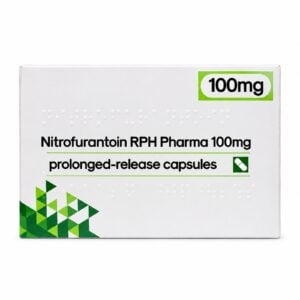
Nitrofurantoin 100mg MR Capsules for Urinary Tract Infection
for Female UTI
£24.99
Start your Consultation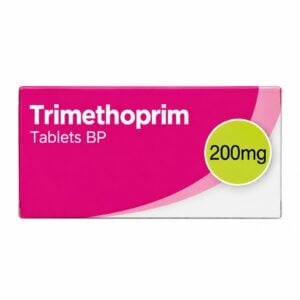
Trimethoprim Tablets for Urinary Tract Infection
for Female UTI
£24.99
Start your ConsultationCan't find what you're looking for?
Start your free consultation and see what products are available to you
Start your ConsultationAbout Female UTI
Urinary tract infections, also called UTIs, are common infections affecting the bladder, the kidneys and the connecting tubes (the ureters and urethra). They include cystitis (bladder infection) and urethritis (urethra infection). UTIs can affect both men and women, but they’re more common in women. UTIs are split into two groups, depending on where the infection is located:
Upper urinary tract infections, which affect the kidney and ureters (tubes carrying urine from the kidney to the bladder)
Lower urinary tract infections, which affect the bladder and the urethra (tube where urine exits the body), such as cystitis and urethritis
We can prescribe urinary tract infection (UTI) antibiotics online to clear the infection and help relieve symptoms of pain and discomfort. If you get UTIs often, also called recurrent or chronic UTIs, you should speak to your GP as soon as you can as you may need a different treatment schedule.
During your online UTI treatment consultation, we’ll ask you about:
Your symptoms, including what they are and when they started
Whether you’ve had a UTI before
Whether you’re pregnant, breastfeeding or trying for a baby
Any previous or current medical conditions, such as kidney disease
Any medication you’re taking
Any allergies to medication
This will help your prescriber find a treatment that’s safe and effective for you. For most people with a urinary tract infection, treatment is a 3-day short course of antibiotics.
How it works
Online consultation
Fill out a simple online form with no GP or pharmacy visits.
Clinical review
A UK-registered pharmacist reviews your details to decide the best treatment option for you.
Receive your prescription
If prescribed, you can get express delivery in discreet packaging right to your doorstep.
Delivery Information
Royal Mail Tracked 24
1–2 working days
£3.99
Royal Mail Special Delivery
Guaranteed next working day delivery
£8.95
Discreet Packaging
All orders are sent in plain, unmarked packaging with no indication of the contents. Your privacy is our priority.
What our patients say
Real reviews from verified patients
Start your online consultation
Simply fill out our simple medical form and our experienced prescribers will help find the right treatments for you.
Frequently asked questions about Female UTI treatments
You can get a urinary tract infection (a UTI) when gut bacteria travels from the anus to the urethra, enters through the urethra and multiplies, causing an infection. For many people, this can happen after going to the toilet when they wipe or during sex. If you have a catheter, you may be more likely to develop a UTI from bacteria on your catheter tube.
You can get a urinary tract infection (a UTI) when gut bacteria travels from the anus to the urethra, enters through the urethra and multiplies, causing an infection. For many people, this can happen after going to the toilet when they wipe or during sex. If you have a catheter, you may be more likely to develop a UTI from bacteria on your catheter tube.
For most people, a UTI only lasts a few days and usually clears three to five days after treatment. If symptoms are causing you pain or discomfort, painkillers (e.g. paracetamol) and over the counter UTI medicine (E.g. sodium citrate) can help. While over the counter UTI treatments can offer relief, they do not clear the underlying infection. Only antibiotics can fight the bacteria causing your UTI.
If you’re looking to order an online prescription for UTI treatment, fill out a quick medical form to tell one of our specialist prescribers more about your symptoms. They’ll guide you to a UTI treatment or medication that’s safe and right for you.
The fastest way to get rid of a UTI is through antibiotics. For many people, a short 3-day course of antibiotics is enough to clear the infection. You may notice symptoms getting better within three to five days after starting your medication. There are other things you can do to help clear the infection alongside treatment, such as:
- Drink plenty of water and stay hydrated
- Wipe from front to back after going to the toilet
- Go to the bathroom when you feel like you need to go
- Wear loose, breathable clothes, including underwear
It’s important to finish your whole course of treatment even if you start feeling better. If your symptoms do not improve or get worse, seek medical advice from your doctor.
At My Chemist Plus, our UK-registered prescribers can offer prescriptions for UTI treatment online after a discreet medical consultation. Simply fill out our short medical form to get started.
While some mild cases of a UTI may go away on their own, most UTIs will not. That’s why it’s important to speak to your doctor if you think you have a UTI. This is because antibiotics are needed to clear the underlying infection. If your symptoms get worse or do not clear after your treatment, speak to your GP for further medical advice.
If you have a UTI and want to buy antibiotics for a UTI online, complete our simple consultation form and our specialist prescribers can help you find a treatment that’s safe and effective for you.
For some people, a UTI can flush itself out if it is mild, especially if you drink large amounts of water to help flush out the bacteria. But, for many people, this is not enough and they will need antibiotics to clear the infection. You should see your GP if:
- You have a fever, feel pain or notice a change in your bathroom habits
- You’re pregnant
- You’re a man
- Your child has symptoms of a UTI, such as urinating more often, being unable to hold their urine, feeling pain or a burning sensation when urinating
Generally, the first line of antibiotics used to treat a UTI are nitrofurantoin or trimethoprim. Most people will have a 3-day short course of treatment with symptoms often clearing within three to five days. Always follow your prescribers advice and finish your full course of treatment to make sure the infection is fully cleared.
As a UK-registered pharmacy, My Chemist Plus can prescribe antibiotics for urinary tract infections (UTIs) online, including for cystitis. Just fill out our simple medical form and our expert prescribers will provide a suitable treatment option for you.
Generally speaking, if you’ve been prescribed a 3-day course of antibiotics for a UTI, your prescription will be for nitrofurantoin or trimethoprim. Both are effective UTI treatments, but may not be suitable for everybody. For example, trimethoprim may not be suitable if you are pregnant so you may be prescribed nitrofurantoin instead.
It’s crucial you finish your entire course of treatment even if you feel better. This makes sure the infection is completely cleared and helps prevent microbial resistance.
Not exactly, cystitis is an infection of the bladder and is a type of urinary tract infection (UTI). A UTI is an umbrella term for infections affecting the urinary tract which includes the bladder, kidneys, ureter and urethra (the connecting tubes). Other types of UTIs include urethritis (a urethra infection) and pyelonephritis (a kidney infection).
The best antibiotic for a UTI depends on several factors, including:
- Where the infection is located
- Whether the infection has spread
- What symptoms you have
- Your age and sex
- Whether you’re pregnant
- If you have any medical conditions, such as diabetes or kidney problems
Generally speaking, the best antibiotics for a UTI in females who have a lower UTI, mild symptoms and are not pregnant are nitrofurantoin or trimethoprim.
If you have a UTI and would like to buy antibiotics for a UTI online, start your free online consultation with one of our UK-registered prescribers who can help find a safe treatment that’s appropriate for you.
UTIs are caused by bacteria entering the urine tubes (urethra) through the small hole where urine exits the body. Usually, passing urine flushes out this bacteria. If it doesn’t, you can get an infection called a UTI.
This can be caused by:
- Pregnancy
- Wiping technique – always wipe front to back
- Sexual activity – irritates the area and pushes bacteria towards the urethra
- Conditions that stop you fully emptying the bladder – such as constipation or an enlarged prostate
- Conditions that make infections more likely – such as diabetes or a weakened immune system
- Having a urine catheter
- Using spermicide – causes irritation that makes infection more likely
- Menopause
- Not drinking enough fluids
If you have a vagina, bacteria can spread more easily from the anus to the urethra because they’re close together. The urine tubes are also shorter, so bacteria can reach the bladder and kidneys faster.
Most UTIs need treatment with a complete course of antibiotics. If left untreated, the bacteria may spread into the kidneys or blood, which can be dangerous.
Contact your GP or 111 urgently if you have:
- A very high or low temperature
- Shivering or chills
- Pain in your back or side
- Confusion or agitation
- Symptoms that don’t improve or get worse with treatment
Not drinking enough fluids can lead to a UTI. When you’re dehydrated, you produce less urine, which allows bacteria to sit in the bladder or urine tubes for longer. This can cause an infection.
It also makes your urine more acidic, which can irritate the tissues in your bladder and urethra and make infection more likely.
Healthy adults should aim to drink 6-8 glasses of fluids every day.
Start your online consultation
Simply fill out our simple medical form and our experienced prescribers will help find the right treatments for you.
UK Registered Prescribers & Pharmacists
100% Discretion & Confidentiality
Express Next day Delivery
Verified & Registered Pharmacy
Regulated and Safe

General Pharmaceutical Council
My Chemist Plus is registered and regulated by the GPhC, who are the official body that regulates and inspects all pharmacies in the UK. They are responsible to ensure we provide the highest standards in care.
View
LegitScript certification
My Chemist Plus is certified by Legit Script, who monitors online pharmacies to evaluate compliance, adherence and licensing to regulation.
ViewReferences
- National Institute for Health and Care Excellence (NICE). Urinary tract infections. Available from: https://bnf.nice.org.uk/treatment-summaries/urinary-tract-infections/
- National Institute for Health and Care Excellence (NICE). Urinary tract infection in men. Available from: https://cks.nice.org.uk/topics/urinary-tract-infection-lower-men/
- National Institute for Health and Care Excellence (NICE). Nitrofurantoin. Available from: https://bnf.nice.org.uk/drugs/nitrofurantoin/
- National Institute for Health and Care Excellence (NICE). Trimethoprim. Available from: https://bnf.nice.org.uk/drugs/trimethoprim/
- NHS Inform. Urinary tract infection. Available from: https://www.nhsinform.scot/illnesses-and-conditions/kidneys-bladder-and-prostate/urinary-tract-infection-uti/
- NHS. Urinary tract infections (UTIs). Available from: https://www.nhs.uk/conditions/urinary-tract-infections-utis/
- University Hospital Southampton NHS Foundation Trust. Urinary tract infection. Available from: https://www.uhs.nhs.uk/Media/UHS-website-2019/Patientinformation/Generalmedicine/Urinary-tract-infection-1359-PIL.pdf