
 GPhC Registered: 9012621
Mefenamic Acid Tablets for Period Pain
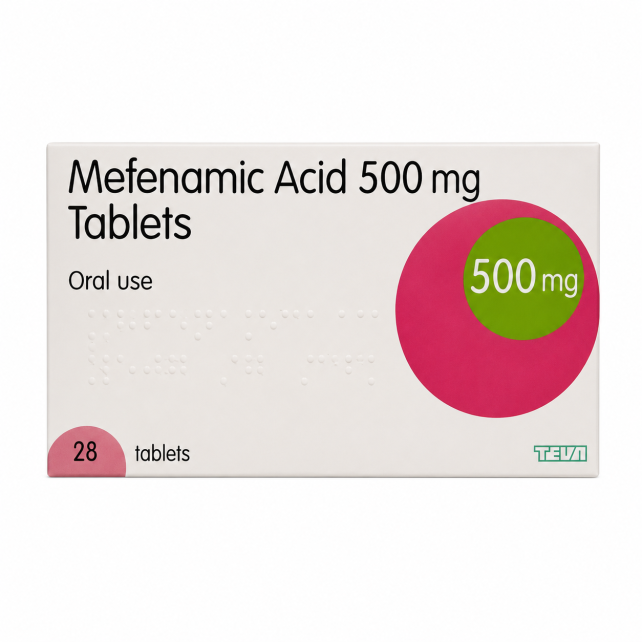
• Anti-inflammatory treatment for period pain
• Tablet treatment if clinically appropriate
• Prescription-only medicine following online assessment
• Discreet, regulated service with delivery available
Want your order delivered as soon as possible?
Order before 3pm for next working day delivery (Mon-Fri).
Experienced UK-registered prescribers
Owned by qualified doctors
2-minute consultation
UK-wide express delivery
Product information: Mefenamic Acid Tablets for Period Pain
What is Mefenamic Acid?
Mefenamic acid tablets are a non-steroidal anti-inflammatory medicine used to treat pain and inflammation. They can be used for period pain, also known as dysmenorrhoea, where a prescription-only option is considered appropriate after an online consultation.
This product page refers to mefenamic acid tablets supplied on a private prescription following an online consultation.
How does Mefenamic Acid work?
Mefenamic acid works by reducing the production of prostaglandins. During periods, prostaglandins can cause the womb to contract more strongly, leading to cramping pain and discomfort. By reducing these chemicals, mefenamic acid can help relieve period pain and reduce associated inflammation.
What is Mefenamic Acid used for on this page?
On this product page, mefenamic acid is used specifically for:
– Period pain, also known as primary dysmenorrhoea
– Cramping lower abdominal pain linked to menstruation
– Associated symptoms such as backache or general menstrual discomfort where an anti-inflammatory medicine is appropriate
It is not used here for:
– Undiagnosed pelvic pain outside of menstruation
– Suspected secondary dysmenorrhoea needing further investigation
– Severe abdominal pain where another cause may be responsible
– Children
Your prescriber will confirm mefenamic acid is appropriate based on your symptoms, medical history and any other medicines you are using.
Who may be suitable for Mefenamic Acid?
You may be suitable if:
– You have period pain that fits the pattern of dysmenorrhoea
– Your symptoms occur with your periods and are likely to benefit from an anti-inflammatory medicine
– You are able to take tablets and follow the dosing instructions carefully
Your prescriber will consider:
– The pattern and severity of your pain
– Whether your symptoms are typical of primary dysmenorrhoea or might need further assessment
– Any history of stomach ulcers, asthma, kidney disease, high blood pressure, heart disease or bleeding problems
– Any other medicines or health conditions you have before deciding if mefenamic acid is suitable for you.
Who should not use Mefenamic Acid or needs medical advice first?
Do not use without medical advice if you:
– Are allergic to mefenamic acid, aspirin or other NSAIDs
– Have a current stomach ulcer, gastrointestinal bleeding, or a history of NSAID-related bleeding
– Have severe heart failure, severe kidney disease or severe liver disease
– Have asthma that is triggered by aspirin or other anti-inflammatory medicines
– Are pregnant, especially in the third trimester
– Have unexplained abdominal pain, heavy bleeding that is unusual for you, pain between periods, pain during sex, or symptoms suggesting another cause
Use with caution and seek prescriber advice if you:
– Have a history of indigestion, ulcers, inflammatory bowel disease or reflux
– Have high blood pressure, heart disease, kidney problems or liver problems
– Are taking anticoagulants, antiplatelets, corticosteroids, SSRIs, lithium, methotrexate or other NSAIDs
– Have asthma that is not clearly NSAID-sensitive
– Are trying to conceive, as NSAIDs can affect fertility while being taken
How do I take Mefenamic Acid?
Your prescriber will confirm the exact directions.
Practical advice:
– Take it with or just after food to help reduce stomach irritation
– Swallow with water
– Use the lowest effective dose for the shortest time needed
– Do not take more than the maximum advised dose in 24 hours
– If symptoms are not improving, seek further medical advice
If your symptoms get worse, do not improve, or you become more unwell, seek medical advice.
General self-care advice
– A hot water bottle or heat patch may help with cramps
– Gentle movement or stretching may improve symptoms for some people
– Try to rest if the pain is affecting daily activities
– Keep hydrated and avoid taking more than one anti-inflammatory medicine at the same time unless advised
– Seek review if period pain is new, worsening, or not responding to treatment
Side effects and when to get help
Common side effects can include indigestion, stomach pain, nausea, diarrhoea, dizziness and headache. These are often mild.
Seek medical advice urgently if you develop black stools, vomiting blood, severe stomach pain, chest pain, shortness of breath, swelling, severe rash, wheezing, or signs of a serious allergic reaction after taking the medicine.
How it works
Online consultation
Fill out a simple online form with no GP or pharmacy visits.
Clinical review
A UK-registered pharmacist reviews your details to decide the best treatment option for you.
Receive your prescription
If prescribed, you can get express delivery in discreet packaging right to your doorstep.
Delivery Information
Royal Mail Tracked 24
1–2 working days
£3.99
Royal Mail Special Delivery
Guaranteed next working day delivery
£8.95
Discreet Packaging
All orders are sent in plain, unmarked packaging with no indication of the contents. Your privacy is our priority.
Frequently asked questions about Mefenamic Acid Tablets for Period Pain
A common adult regimen is 500 mg three times a day, started at the onset of menstrual pain.
Mefenamic acid does not work instantly, but many people notice relief within a few hours. It tends to work best when started as the pain begins.
Some people do use mefenamic acid during each period if it is suitable for them, but if you regularly need treatment or your symptoms are worsening, it is worth having the cause reviewed.
Many people can take paracetamol with mefenamic acid if needed, but this should only be done if it is suitable for your own health situation. Do not take it with ibuprofen, naproxen or other NSAIDs unless advised.
If you are taking it as needed and miss a dose, just take the next dose when needed. Do not take a double dose to make up for a missed tablet.
Alcohol can increase the risk of stomach irritation or indigestion, so it is sensible to keep intake low while taking mefenamic acid.
A consultation helps check whether mefenamic acid is suitable and whether the pain fits uncomplicated dysmenorrhoea. Some pelvic or menstrual symptoms need further assessment rather than simple pain relief alone.
Seek review if pain is severe, new, worsening, happens outside your period, comes with unusually heavy bleeding, pain during sex, fainting, fever, or if mefenamic acid is not helping.
No. This information supports, but does not replace, advice from your GP, pharmacist or another qualified healthcare professional. Always follow the directions on your prescription and the patient information leaflet supplied with your medicine.

Regulated and Safe

General Pharmaceutical Council
My Chemist Plus is registered and regulated by the GPhC, who are the official body that regulates and inspects all pharmacies in the UK. They are responsible to ensure we provide the highest standards in care.

LegitScript certification
My Chemist Plus is certified by Legit Script, who monitors online pharmacies to evaluate compliance, adherence and licensing to regulation.