
 GPhC Registered: 9012621
Ivermectin 3 mg Tablets for Scabies
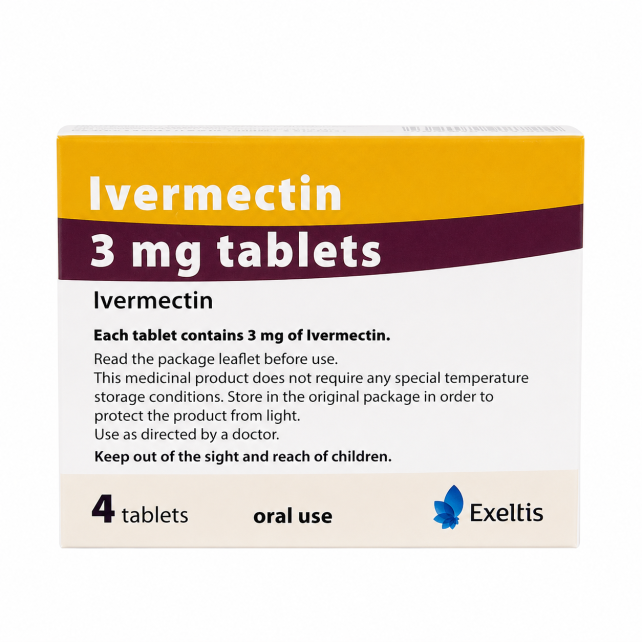
• Oral treatment option for scabies
• Weight-based dosing with repeat dose usually needed after 7 days
• Prescription-only medicine following online assessment
• Discreet, regulated service with delivery available
Want your order delivered tomorrow?
Order within the next 14 hour 1 minutes to get it delivered tomorrow.
Experienced UK-registered prescribers
Owned by qualified doctors
2-minute consultation
UK-wide express delivery
Product information: Ivermectin 3 mg Tablets for Scabies
What is Ivermectin 3 mg?
Ivermectin 3 mg tablets are an antiparasitic treatment used to treat scabies. They may be used when oral treatment is considered appropriate, including for people in whom permethrin cream is not suitable, for example because of certain skin conditions, allergy, intolerance, difficulty applying a full-body topical treatment, or where topical treatment has not been practical or effective enough.
This product page refers to ivermectin 3 mg tablets supplied on a private prescription following an online consultation.
How does Ivermectin work?
Ivermectin works by affecting the nervous system of the scabies mite, leading to paralysis and death of the parasite. This helps clear the infestation. It does not directly soothe itching straight away, and itching can continue for some time after successful treatment.
What is Ivermectin 3 mg used for on this page?
On this product page, ivermectin 3 mg tablets are used specifically for:
– Scabies
– Situations where oral treatment is appropriate
– People for whom permethrin cream is not suitable or not practical, such as certain skin conditions, allergy or intolerance to topical treatment
– Situations where applying full-body cream treatment is difficult or has not worked well enough
It is not used here for:
– Undiagnosed itching without a clear scabies diagnosis
– Other skin rashes that are not scabies
– Children
– Routine use without proper assessment of symptoms, contacts and suitability
Your prescriber will confirm ivermectin is appropriate based on your symptoms, diagnosis, body weight, medical history and any other medicines you are using.
Who may be suitable for Ivermectin 3 mg?
You may be suitable if:
– You have scabies confirmed clinically or strongly suspected on assessment
– Oral treatment is considered appropriate
– You are unable to use permethrin cream, or permethrin is not suitable or practical for you
– You weigh at least 15 kg
– You are able to follow the treatment and hygiene advice carefully
Your prescriber will consider:
– Whether your symptoms and history fit scabies
– Whether there are affected household members or close contacts
– Your body weight, because the dose is based on weight
– Whether this is ordinary scabies or a more severe form such as crusted scabies
– Any other medicines or health conditions you have
before deciding if ivermectin is suitable for you.
Who should not use Ivermectin 3 mg or needs medical advice first?
Do not use without medical advice if you:
– Are allergic to ivermectin or any of the ingredients in the tablets
– Weigh under 15 kg
– Are pregnant without checking suitability first
– Are not sure whether the rash is actually scabies
– Have severe or widespread skin disease needing urgent face-to-face assessment
Use with caution and seek prescriber advice if you:
– Are breastfeeding
– Have liver problems
– Have a neurological condition
– Are immunocompromised
– Have crusted scabies, as you may need repeat doses and additional topical treatment
– Are taking other medicines that may affect the central nervous system or interact in other ways
How do I take Ivermectin 3 mg?
Your prescriber will confirm the exact directions. The dose is based on body weight. A commonly used dosing approach is:
– 200 micrograms per kilogram of body weight as a single dose
– A second dose is often given 7 days later
Practical advice:
– The tablets are taken by mouth with water
– They are usually taken on an empty stomach
– No food should usually be taken for about 2 hours before or 2 hours after the dose
– All close household or sexual contacts often need treatment at the same time to reduce reinfestation
– Bedding, clothing and towels should be managed as advised to reduce the risk of spread and reinfestation
If your symptoms get worse, if new lesions keep appearing, or if you become more unwell, seek medical advice.
General self-care advice
– Treat close contacts at the same time if advised
– Wash clothing, bedding and towels used recently according to the instructions given
– Keep fingernails short and clean
– Avoid close skin-to-skin contact until treatment has been completed as advised
– Itching can continue for several weeks even after successful treatment
– If symptoms persist beyond the expected recovery period, further review may be needed
Side effects and when to get help
Common side effects can include headache, dizziness, stomach upset, diarrhoea and nausea. These are often mild.
Seek medical advice urgently if you develop severe rash, swelling of the face or throat, difficulty breathing, severe dizziness, confusion, seizures, or any severe unexpected reaction after taking the medicine.
How it works
Online consultation
Fill out a simple online form with no GP or pharmacy visits.
Clinical review
A UK-registered pharmacist reviews your details to decide the best treatment option for you.
Receive your prescription
If prescribed, you can get express delivery in discreet packaging right to your doorstep.
Delivery Information
Royal Mail Tracked 24
1–2 working days
£3.99
Royal Mail Special Delivery
Guaranteed next working day delivery
£8.95
Discreet Packaging
All orders are sent in plain, unmarked packaging with no indication of the contents. Your privacy is our priority.
Frequently asked questions about Ivermectin 3 mg Tablets for Scabies
Ivermectin may be used when permethrin cream is not suitable or not practical, for example because of certain skin conditions, allergy, intolerance, or difficulty applying a whole-body topical treatment.
The dose is based on body weight. The usual dose is 200 micrograms per kilogram, and because the tablets are 3 mg each, the number of tablets is adjusted to match your weight as closely as possible.
Often, yes. A second dose is commonly given 7 days later to improve treatment success, especially because ivermectin does not kill unhatched eggs in the same way repeated treatment is used to cover the full life cycle.
The mites are treated quickly, but itching can continue for several weeks even after successful treatment. This does not always mean the treatment has failed.
Often they do. Close household members and sexual contacts may need treatment at the same time, even if they do not yet have symptoms, to reduce reinfestation.
Yes. Bedding, recently worn clothing and towels should be cleaned as advised to reduce the risk of reinfestation.
Suitability in pregnancy or breastfeeding needs careful assessment first. Make sure this is included in your consultation.
A consultation helps confirm that scabies is the likely diagnosis, that oral treatment is suitable, that the dose is correct for your weight, and that there are no safety reasons why ivermectin would be unsuitable.
No. This information supports, but does not replace, advice from your GP, pharmacist or another qualified healthcare professional. Always follow the directions on your prescription and the patient information leaflet supplied with your medicine.

Regulated and Safe

General Pharmaceutical Council
My Chemist Plus is registered and regulated by the GPhC, who are the official body that regulates and inspects all pharmacies in the UK. They are responsible to ensure we provide the highest standards in care.

LegitScript certification
My Chemist Plus is certified by Legit Script, who monitors online pharmacies to evaluate compliance, adherence and licensing to regulation.