GPhC Registered: 9012621

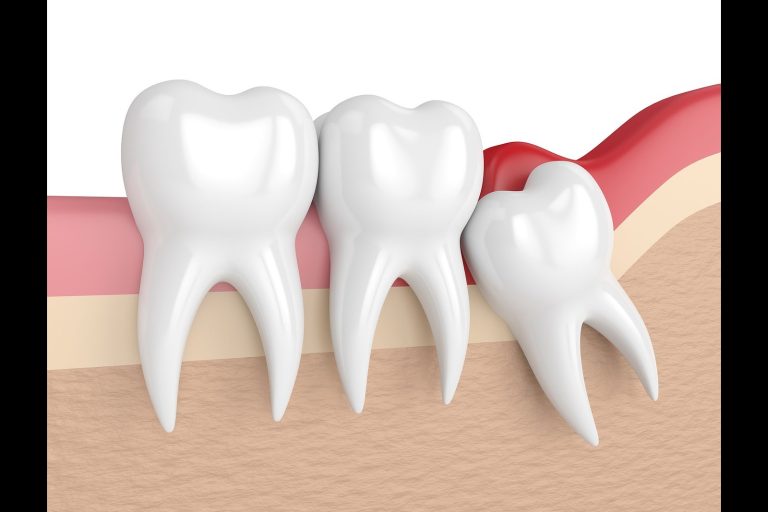
While a dental abscess can be uncomfortable, it’s a treatable condition. Most people have dental treatment, such as drainage, tooth removal, or a root canal. In some cases, a short course of antibiotics may be considered to help control the infection and symptoms where appropriate.
In this article, we discuss two commonly prescribed antibiotics for tooth infections, called amoxicillin and metronidazole. Learn what they are, when they’re used, and their key differences.
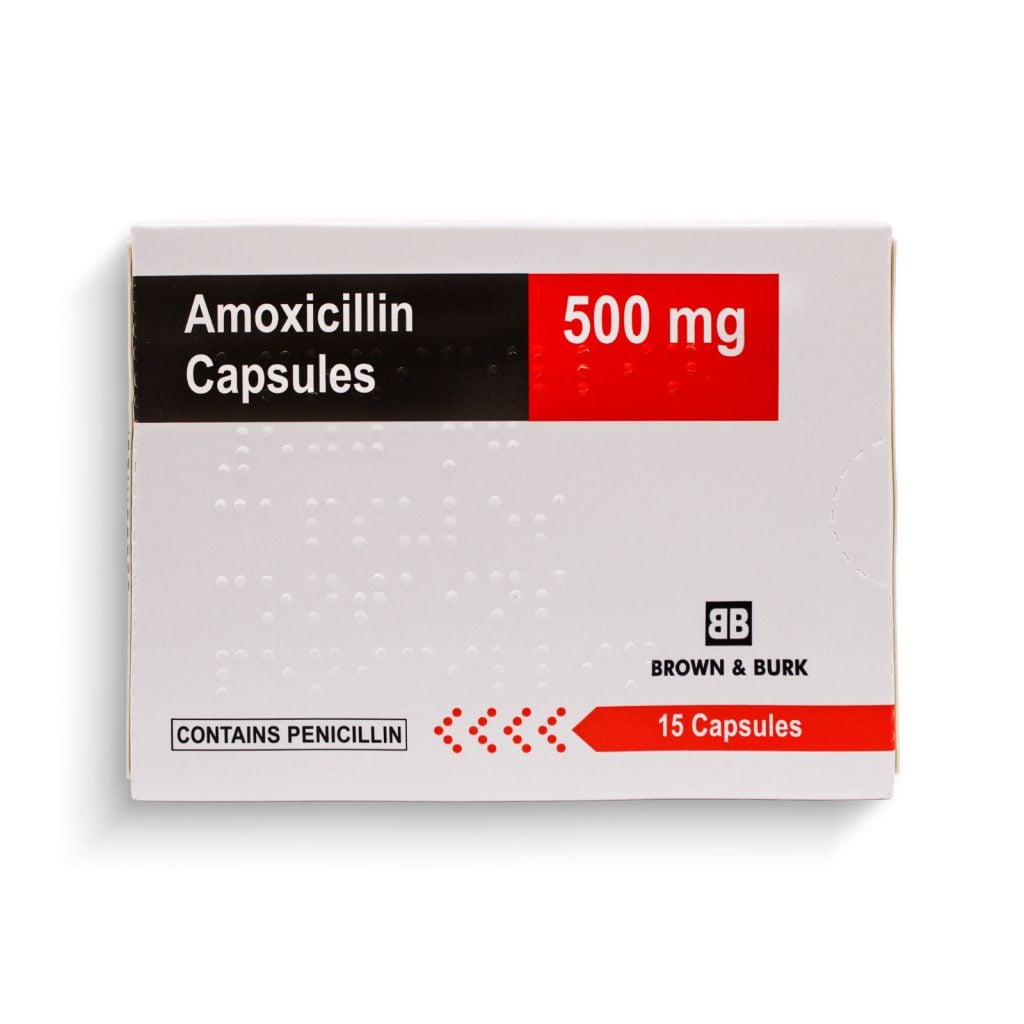
What is amoxicillin?
Amoxicillin is a type of penicillin antibiotic. It works by damaging bacterial cell walls, causing bacteria to break down and die. As it’s effective against a range of common bacteria, it’s often one of the first antibiotics considered to treat a bacterial infection when antibiotics are clinically recommended.
For dental infections, amoxicillin is commonly the antibiotic of choice if antibiotics are appropriate. In the UK, the typical dosage of amoxicillin 500mg for an adult is one tablet or capsule three times a day for five days.
Who can take amoxicillin?
Most people can take amoxicillin. However, it may not be suitable if you:
- Have glandular fever
- Have a penicillin allergy (amoxicillin contains penicillin)
- Have liver or kidney problems
Common side effects
While most people tolerate amoxicillin well, it can cause some side effects. They’re often mild and pass shortly after you finish your treatment. They include:
- Nausea
- Diarrhoea
- Skin changes, e.g. a rash
Rarely, amoxicillin can cause an allergic reaction. See your doctor straightaway if you notice any signs of an allergic reaction, including a skin rash, flu-like symptoms, swelling in the face, lips, tongue, or difficulty breathing.
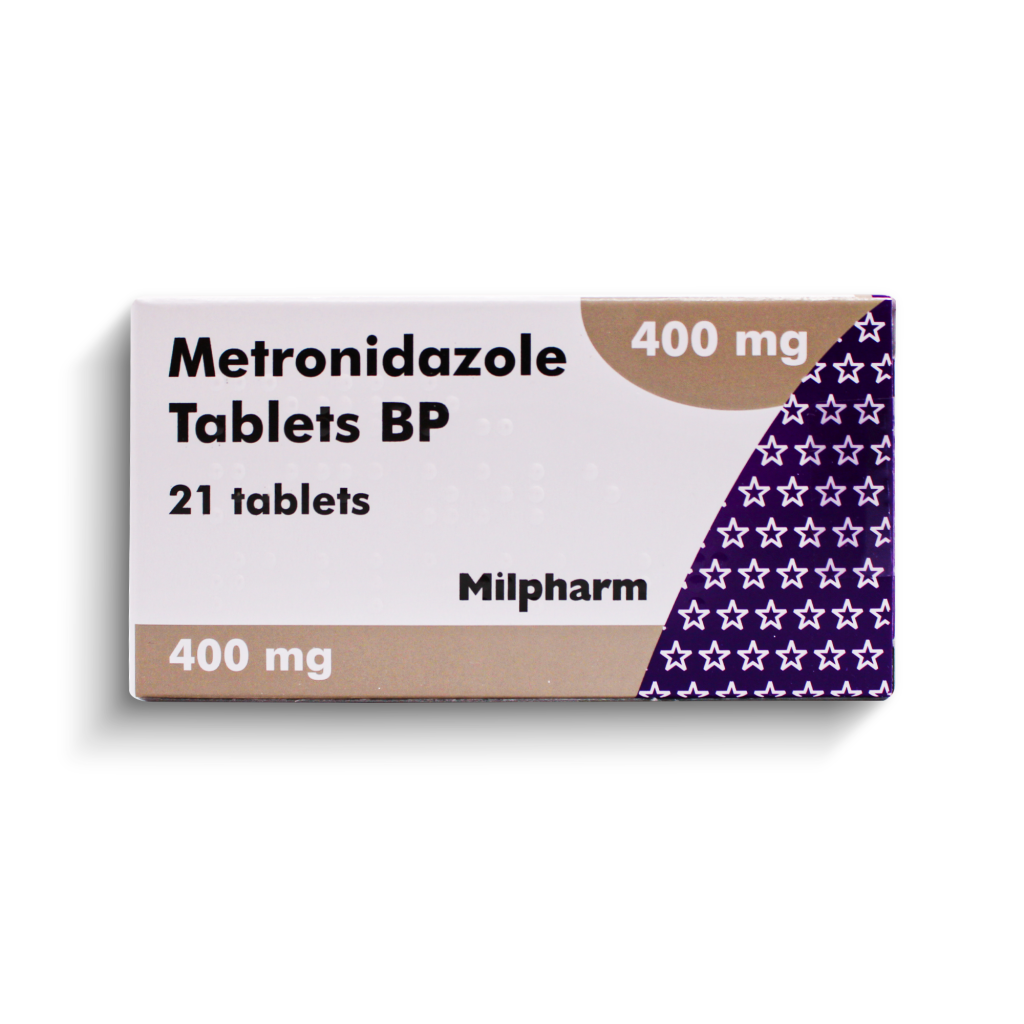
What is metronidazole?
Metronidazole is a different type of antibiotic and belongs to the nitroimidazole group of antibiotics. It’s particularly effective against bacteria that do not need oxygen to survive, called anaerobic bacteria. Metronidazole works by damaging the bacteria’s DNA and stopping it from growing.
Because metronidazole is effective against anaerobic bacteria, you might be prescribed it if you have a dental infection deep inside the tooth, such as in the root of a tooth (periapical abscess). For adults, the typical dosage is metronidazole 400mg three times a day for up to five days.
Who can take metronidazole?
If you have a penicillin allergy, you might be looking for alternatives to amoxicillin. Unlike amoxicillin, metronidazole does not contain penicillin so it could be a good option for you.
Like all medications, there are some people who may need to avoid metronidazole. For instance, if you have liver or kidney problems, dialysis treatment, or a condition affecting your nervous system. People who are pregnant or breastfeeding may also need to avoid metronidazole.
Your doctor or prescriber always reviews your medical history during your consultation to make sure your treatment is safe and appropriate. If you’re ever worried, don’t hesitate to speak to them or ask any questions.
Common side effects
Not everybody gets side effects with metronidazole, but it can happen. Like amoxicillin, the side effects are mild and temporary. Things to look out for are:
- Feeling or being sick
- Diarrhoea
- A metallic taste in your mouth
More serious side effects are rare and need medical attention. These include an allergic reaction, yellowing of the skin and eyes, unexpected ulcers or bruising, abdominal pains, or changes to your vision. If you notice any sudden changes to your health, it’s a good idea to stop your treatment and seek medical help.
Metronidazole and alcohol
There is one important difference between metronidazole and amoxicillin, and that is whether you can still drink whilst having treatment.
Generally speaking, you can drink alcohol while taking amoxicillin (unless advised otherwise). However, you must not drink alcohol with metronidazole. This is because alcohol can interact with metronidazole and cause unpleasant side effects, such as dizziness and nausea.
You should also avoid drinking alcohol for another 48 hours after you finish treatment to reduce the risk of side effects.
Amoxicillin vs metronidazole: Key differences
| Feature | Amoxicillin | Metronidazole |
| Antibiotic class | Penicillin | Nitroimidazole |
| Mode of action | Destroys bacterial cell wall | Damages bacterial DNA |
| Typical dosage | 500mg Three times a day for five days | 400mgThree times a day for five days |
| Contains penicillin? | Yes | No |
| Alcohol interaction? | No | Yes |
| Common side effects | NauseaDiarrhoeaSkin rash | Nausea or vomitingDiarrhoeaMetallic taste in mouth |
Conclusion: which is the best antibiotic for tooth infections?
There’s no straightforward answer, but both amoxicillin and metronidazole are very effective antibiotics for helping manage the symptoms of dental abscesses – neither is necessarily ‘better’ than the other.
What’s most important is deciding which is most appropriate and effective for you. And that depends on several factors, such as your medical history and the type of infection you have. That’s why a consultation with an expert prescriber is essential.
At My Chemist Plus, our UK-registered prescribers have years of prescribing experience and are dedicated to making sure you have access to medication that’s safe and tailored to you because your safety is our priority.
Find out more about our antibiotic treatment options for tooth infections.
References
- EMC Patient Information Leaflet (Amoxicillin 250mg & 500 mg Capsules, Brown & Burk UK Ltd). Available from: https://www.medicines.org.uk/emc/files/pil.10637.pdf
- EMC Patient Information Leaflet (Metronidazole 200mg & 500mg Tablets, Milpharm Ltd). Available from: https://www.medicines.org.uk/emc/files/pil.12817.pdf
- National Institute for Health and Care Excellence (NICE). Amoxicillin. Available from: https://bnf.nice.org.uk/drugs/amoxicillin/
- National Institute for Health and Care Excellence (NICE). Metronidazole. Available from: https://bnf.nice.org.uk/drugs/metronidazole/
- National Institute for Health and Care Excellence (NICE). Dental abscess. Available from: https://cks.nice.org.uk/topics/dental-abscess
- NHS. Dental abscess. Available from: https://www.nhs.uk/conditions/dental-abscess/
- NHS. Amoxicillin. Available from: https://www.nhs.uk/medicines/amoxicillin/
NHS. Metronidazole. Available from: https://www.nhs.uk/medicines/metronidazole/