
 GPhC Registered: 9012621
Flucloxacillin Capsules for Skin Infections
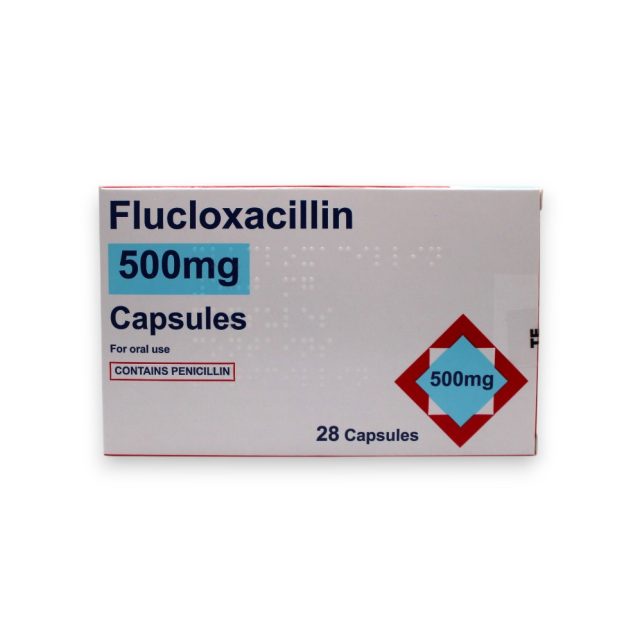
Flucloxacillin Capsules for Skin Infections
- Antibiotic treatment for skin infections
- Suitable as a short course if clinically appropriate
- Prescription-only medicine following online assessment
- Discreet, regulated service with delivery available
Want your order delivered on Tuesday?
Order now and we'll dispatch it on the next working day.
Experienced UK-registered prescribers
Owned by qualified doctors
2-minute consultation
UK-wide express delivery
About the product
What is Flucloxacillin?
Flucloxacillin is a penicillin antibiotic used to treat certain bacterial skin infections. It is commonly used for infections such as infected insect bites, infected cuts/scratches, infected spots/follicles and mild localised cellulitis.
This product page refers to flucloxacillin supplied on a private prescription following an online consultation.
How does Flucloxacillin work?
Flucloxacillin kills susceptible bacteria by interfering with bacterial cell wall formation. This helps clear the infection and may reduce symptoms such as redness, swelling, pain, tenderness and spreading skin inflammation when the infection is caused by bacteria.
What is Flucloxacillin used for on this page?
On this product page, flucloxacillin is used specifically for:
- Certain bacterial skin infections where an antibiotic is considered appropriate
- Symptoms such as redness, warmth, swelling, tenderness, localised pain or mild spreading skin infection when a bacterial cause is suspected
It is not used here for:
- Viral skin rashes
- Fungal skin infections
- Severe or rapidly worsening infection needing urgent face-to-face assessment
- Recurrent or unusual skin infections without further review
- Children
Your prescriber will confirm flucloxacillin is appropriate based on your symptoms, medical history and any other medicines you are using.
Who may be suitable for Flucloxacillin?
You may be suitable if:
- You have symptoms consistent with a bacterial skin infection and an antibiotic is considered appropriate
- Your infection appears suitable for oral treatment rather than urgent hospital care
- You are able to take capsules or tablets several times a day and complete the full course
Your prescriber will consider:
- How long your symptoms have been present and how severe they are
- Whether you have fever, spreading redness, discharge or worsening pain
- Any history of penicillin allergy
- Any other medicines or health conditions you have
before deciding if flucloxacillin is suitable for you.
Who should not use Flucloxacillin or needs medical advice first?
Do not use without medical advice if you:
- Are allergic to flucloxacillin, penicillin or have previously had a serious reaction to a beta-lactam antibiotic
- Have severe skin infection symptoms such as rapidly spreading redness, severe pain, facial swelling, marked swelling around the eyes, confusion, or signs of serious illness
- Have severe vomiting or are unable to keep tablets down
- Have a history of flucloxacillin-associated jaundice or liver problems linked to this medicine
- Are pregnant or breastfeeding without checking suitability first
Use with caution and seek prescriber advice if you:
- Have liver problems
- Have kidney problems
- Have a history of severe allergies or asthma
- Are taking methotrexate, warfarin, probenecid or other medicines that may interact
- Have symptoms that are not clearly due to a bacterial skin infection or have had repeated episodes
How do I take Flucloxacillin?
Your prescriber will confirm the exact directions.
Practical advice:
- Take it at evenly spaced times through the day
- Swallow with water
- It is usually best taken on an empty stomach, for example 30 to 60 minutes before food or at least 2 hours after food, unless your prescriber advises otherwise
- Finish the full course unless you are told otherwise by a healthcare professional
If your symptoms get worse, do not improve, or you become more unwell during treatment, seek medical advice.
General self-care advice
- Keep the affected area clean and dry where possible
- Avoid scratching, squeezing or picking the area
- Rest the affected limb if swelling is present
- Simple pain relief such as paracetamol may help if suitable for you
- Seek review if symptoms are severe, prolonged or repeatedly returning
Side effects and when to get help
Common side effects can include nausea, stomach upset and diarrhoea. These are often mild.
Seek medical advice urgently if you develop swelling of the face or throat, difficulty breathing, severe rash, persistent severe diarrhoea, yellowing of the skin or eyes, dark urine, pale stools, or signs of a serious allergic reaction after taking the medicine.
How it works
Online consultation
Fill out a simple online form with no GP or pharmacy visits.
Clinical review
A UK-registered pharmacist reviews your details to decide the best treatment option for you.
Receive your prescription
If prescribed, you can get express delivery in discreet packaging right to your doorstep.
Delivery Information
Royal Mail Tracked 24
1–2 working days
£3.99
Royal Mail Special Delivery
Guaranteed next working day delivery
£8.95
Discreet Packaging
All orders are sent in plain, unmarked packaging with no indication of the contents. Your privacy is our priority.
Frequently Asked Questions
Some people start to feel better within a few days, but it can take longer for symptoms to fully settle. It is important to complete the course as directed.
No antibiotic works instantly. You may still need simple measures such as rest, fluids and pain relief while the treatment starts to work.
If your symptoms do not improve, if they worsen, or if you become more unwell, seek further medical advice. You may need reassessment or a different treatment.
Many people can use simple pain relief alongside antibiotics if suitable for them. However, paracetamol is not recommended to be taken alongside Flucloxacillin.
Take it when you remember unless it is close to the next dose. Do not take a double dose to make up for a missed capsule or tablet.
Alcohol is not known to directly stop flucloxacillin working, but if you feel unwell it is sensible to keep alcohol to a minimum until you feel better.
Not all skin problems are caused by bacteria, and some infections need urgent face-to-face assessment. A consultation helps check whether an antibiotic is likely to be appropriate and whether there are any symptoms that need further assessment.
Seek review if symptoms do not improve, if they worsen, if redness is spreading quickly, if you develop fever or feel very unwell, if the area becomes severely painful, or if you are not sure the treatment is suiting you.
No. This information supports, but does not replace, advice from your GP, pharmacist or another qualified healthcare professional. Always follow the directions on your prescription and the patient information leaflet supplied with your medicine.

Regulated and Safe

General Pharmaceutical Council
My Chemist Plus is registered and regulated by the GPhC, who are the official body that regulates and inspects all pharmacies in the UK. They are responsible to ensure we provide the highest standards in care.

LegitScript certification
My Chemist Plus is certified by Legit Script, who monitors online pharmacies to evaluate compliance, adherence and licensing to regulation.