GPhC Registered: 9012621
If you’ve been prescribed antibiotics for a tooth infection, you’re probably hoping for fast relief. Tooth pain can be intense and swelling or tenderness can make simple acts, like eating and sleeping, more difficult.
So how long do dental antibiotics take to work? Learn more about tooth infections and how antibiotics can help, including commonly prescribed antibiotics, factors affecting their effectiveness, and when to seek urgent medical help.
What is a tooth infection?
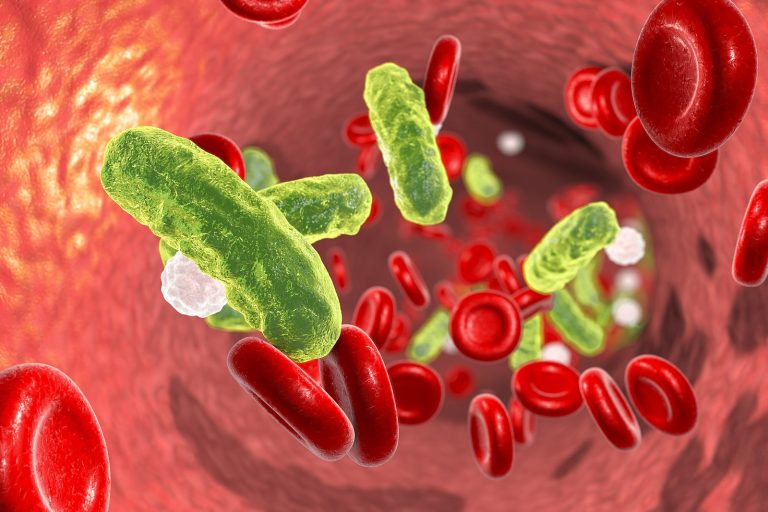
A tooth infection (also called a dental abscess) happens when bacteria in your mouth enters the tooth or gums through small holes in your tooth. Once inside, the bacteria multiply and cause pus to form and collect. This creates pressure in the area, which often leads to pain, swelling, and sensitivity to hot and cold foods.
What causes a tooth infection?
Tooth infections don’t normally happen overnight. They’re often linked to:
- Tooth decay
- Untreated cavities
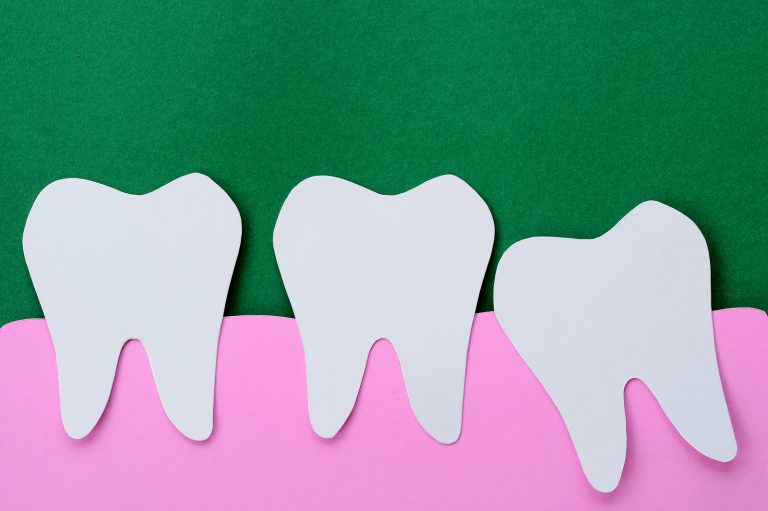
- A tooth that hasn’t fully come through the gum, also called an impacted tooth
- An injury to the mouth, tooth or gums
That’s why a great way to reduce your risk of developing a dental abscess is practicing good oral hygiene. Things like brushing twice daily with a fluoride toothpaste, flossing daily, and limiting sugary food and drinks are simple ways to help lower your risk of dental issues.
Discover our extensive range of dental products to keep your teeth and gums clean and healthy.
What are the treatments for tooth infections?
When you see your dentist, treatment focuses on getting rid of the pus and addressing the cause of the infection. It may involve draining the abscess, carrying out a root canal or, in some cases, removing the entire tooth.
Importantly, antibiotics are not always used for a dental abscess and they don’t replace dental treatment. Antibiotics might be if it’s clinically appropriate, such as if you have a fever or swollen glands or can’t see a dentist to fix the underlying problem straight away.
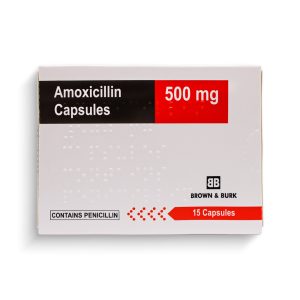
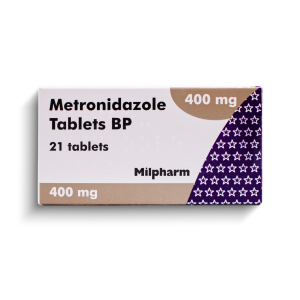
If antibiotics are necessary, you may be prescribed amoxicillin or metronidazole. Learn more about what amoxicillin and metronidazole are, how they work and their key differences.
How long do antibiotics take to work for a dental abscess?
Antibiotics are not one of the main treatments for a dental infection. But, they can be helpful to soothe particularly painful or uncomfortable symptoms and control the infection if you’re struggling to see a dentist.
Antibiotics can start clearing bacteria within an hour of taking them, but it may take some time for you to feel the benefits. Most people notice a reduction in pain and swelling after 24 hours, and start feeling better after two or three days.
However, this doesn’t mean the infection has fully cleared. This is because the antibiotic clears the bacteria creating the pus in the abscess, but it doesn’t remove the pus itself or address the root cause of the infection. The definitive treatment for a dental abscess is always dental treatment. If you’re experiencing any tooth or gum issues, make sure you see your dentist for a check-up.
Remember, it’s incredibly important to finish your full course of antibiotic treatment as advised by your prescriber, even if you feel better. This makes sure the infection is completely cleared and stops it from returning.
Factors that can affect recovery time from a dental abscess
While antibiotics are very effective at clearing bacterial infections, there are factors that can affect how long they take to work:
- The size and severity of the infection, such as if the abscess is very large, has spread, or is in a difficult location in the mouth.
- The type of bacteria causing the infection, such as if it’s a drug-resistant strain
- The type of antibiotic as different medications have different treatment lengths and ways of working, for example some may offer immediate relief whilst others may take some time
- Your general health, for instance some people with medical conditions that affect their immune system may need more time to make a full recovery
When you have your clinical assessment with a prescriber, they’ll carefully review your current and past medical history to get a complete picture of your health. That way, you’re prescribed an effective treatment that’s right for you.
When to seek urgent medical care for a tooth infection
Most tooth infections can be treated safely and effectively. However, sometimes the infection can spread and become serious.
Seek urgent medical treatment at A&E or call 999 if you have:
- Difficulty breathing
- Swelling or pain in and around your eye
- Sudden changes to your eyesight
- A lot of swelling in your mouth
The bottom line
There’s no definitive answer for how long it takes for antibiotics to work for a tooth infection. For most people, the pain and swelling start to go down within 24 hours of starting antibiotics. But, timings can vary depending on your infection, individual differences, and the type of antibiotic you’re taking.
That’s why a consultation with prescribers experienced with tooth infections is essential. At My Chemist Plus, our UK-registered prescribers have years of prescribing experience so you can feel confident knowing your treatments are safe, effective, and tailored to you because your health is our priority.
Find out more about our antibiotic treatment options for tooth infections.
References
- NHS. Metronidazole. Available from: https://www.nhs.uk/medicines/metronidazole/
- National Institute for Health and Care Excellence (NICE). Amoxicillin. Available from: https://bnf.nice.org.uk/drugs/amoxicillin/
- National Institute for Health and Care Excellence (NICE). Metronidazole. Available from: https://bnf.nice.org.uk/drugs/metronidazole/
- National Institute for Health and Care Excellence (NICE). Dental abscess. Available from: https://cks.nice.org.uk/topics/dental-abscess
- NHS. Dental abscess. Available from: https://www.nhs.uk/conditions/dental-abscess/
- NHS. Antibiotics. Available from: https://www.nhs.uk/medicines/antibiotics/
- NHS. Amoxicillin. Available from: https://www.nhs.uk/medicines/amoxicillin/
- World Health Organisation (WHO). Antimicrobial resistance. Available from: https://www.who.int/news-room/fact-sheets/detail/antimicrobial-resistance