GPhC Registered: 9012621
It is difficult to overstate how vital antibiotics are to global health, and it is for this reason that they are only used today when they will help improve people’s health.
Ever since the accidental discovery of penicillin in 1928, antibiotics have been perhaps the most essential of essential medicines, and they are used to treat a wide range of conditions that are caused by bacterial infections.
This is why amoxicillin is prescribed for dental abscesses, as without the use of antibiotics, tooth and gum infections will not get better and may, in fact, get worse.
However, whilst antibiotics are often necessary for the treatment of abscesses, they are not always the most appropriate treatment for all dental issues.
In particular, gum disease can sometimes be treated using antibiotics, sometimes antibiotics are useful but not necessary, and sometimes they do not work at all.
To explain why, it is important to explore what gum disease is, what antibiotics can do about it and, just as importantly, what they cannot do.
What Is Gum Disease?
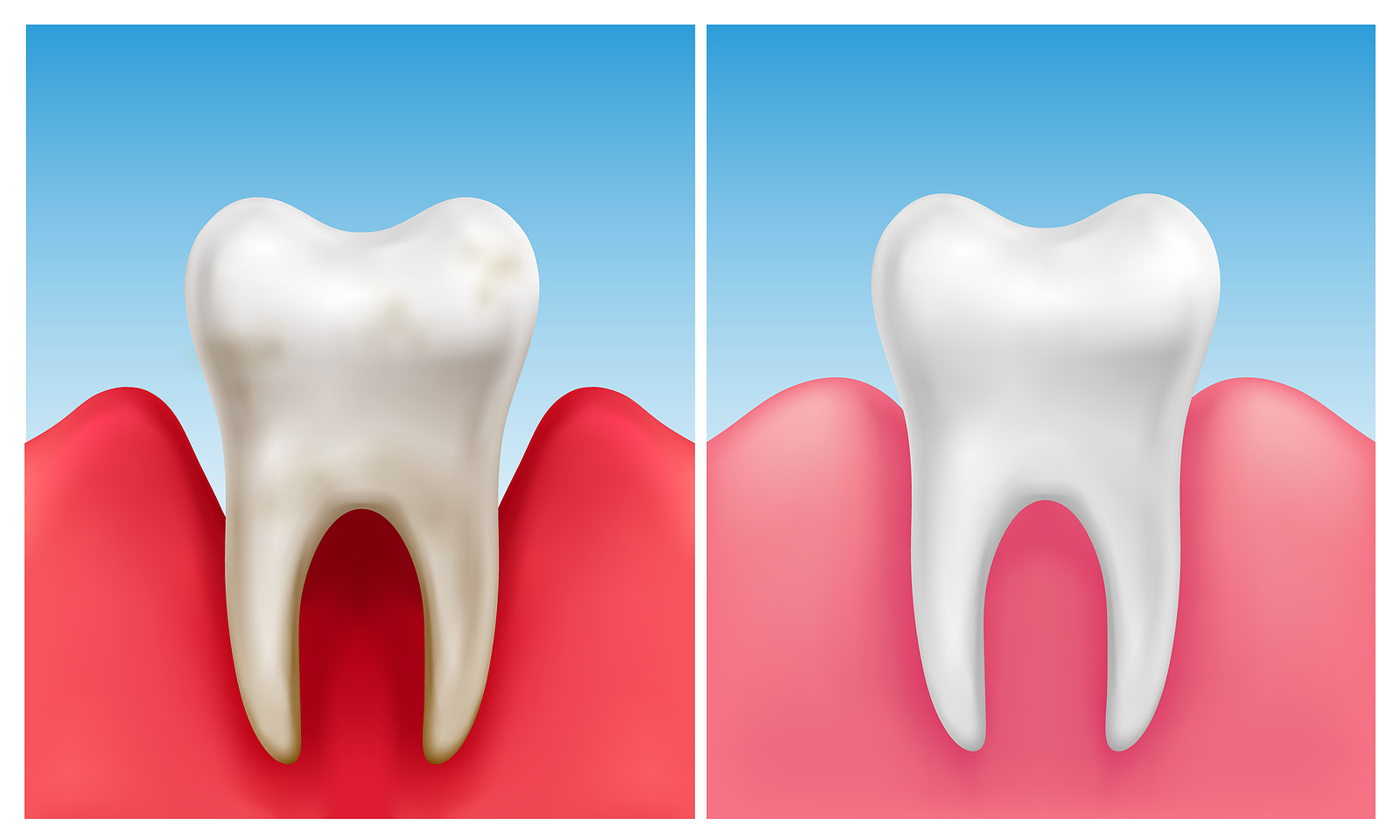
Gum disease, also known as gingivitis or periodontitis depending on severity, is an inflammation of the gums, which causes them to feel sore, start to swell and go red. It can also cause your gums to bleed when you eat hard foods, floss your teeth or brush intensely.
It can sometimes look similar to a dental abscess in terms of swelling, redness and pain, but rather than being localised to a particular tooth or part of the gums, gum disease tends to affect a larger area.
Gingivitis is very common, typically caused by a build-up of plaque that can be the result of insufficient oral hygiene, smoking, drinking too much alcohol, consuming too much sugar, diabetes and many other factors.
By contrast, periodontitis is a progression of gingivitis that causes damage to the tissues surrounding teeth. This can cause bad breath, loosening of teeth, an unpleasant taste in the back of the mouth and periodontal abscesses in the gums.
Finally, there isacute necrotising ulcerative gingivitis (ANUG), a relatively rare but serious condition which often features intense pain, fever, bleeding gums, ulcers, bad breath and a particularly unpleasant taste in the mouth.
Can Gum Disease Be Treated By Antibiotics?
Unlike dental abscesses, which are typically treated using antibiotics, gum disease has a lot of different causes, not all of which are related to bacterial infection, and as a result, cannot always be treated using antibiotics.
Some symptoms, such as abscesses caused by periodontitis, can be treated using antibiotics, but because there are so many different causes of both gingivitis and periodontitis, antibiotics are typically not recommended unless a specialist advises that they are used.
By contrast, acute necrotising ulcerative gingivitis is often treated using antibiotics, a specialist cleaning protocol (sometimes known as a scale and polish) and a dedicated mouthwash designed to reduce the infection and bleeding.
This is because the cause is a bacterial infection, although stress, poor oral hygiene, insufficient nutrition and a weakened immune system can all contribute to the onset of ANUG.
In general, antibiotics are not used to treat gingivitis or periodontitis outside of specialist care for aggressive versions of the condition.
When Should Antibiotics Not Be Used To Treat Gum Disease?
Whilst there are certainly places and roles for antibiotics in treating certain types of gum disease, and antibacterial mouthwashes can help protect mouths and contribute to plaque removal when brushing and flossing are not adequate, antibiotics are not always used to treat gum disease.
In general, antibiotics are only used to treat conditions that will not go away on their own, have the potential to spread if not properly treated, where antibiotics can drastically improve recovery, and to avoid potentially serious complications.
They are not used for conditions caused by viral infections, because they will not work but could still cause side effects, and for bacterial infections that will largely go away on their own, such as chest and ear infections.
The reason for this is to avoid the potential for antibiotic resistance, which is the development of bacterial infections that are resistant to commonly used strains of antibiotics.
As gum disease can have a lot of different causes, some of which are the result of bacteria, whilst others are not, it is generally more advisable to book an appointment with a dentist if you are concerned about your gums, as they will perform tests and determine the most suitable treatment.
This could involve antibiotics, but it could also involve scale and polish treatment of teeth and gums, removing rotten teeth entirely or surgery.