 GPhC Registered: 9012621

Start Your Dental Infection Consultation
A dental infection is a tooth or gum infection that can cause pain, swelling, and sensitivity. Antibiotics may be suitable if you:
- Have swelling and pain
- Cannot access urgent dental care immediately
- Have a fever or swollen glands
Our experienced, UK-registered prescribers can review your symptoms and advise whether this is a suitable option for you. Simply complete our quick online consultation form to get started.
Experienced UK
Registered Prescribers
Owned by qualified
Doctors
2-minute
Consultation
UK-wide express
Delivery
Treatments
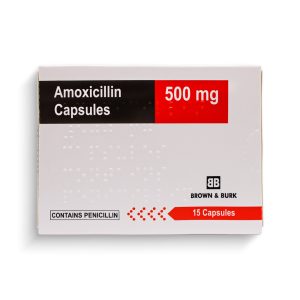
Amoxicillin 500mg For Tooth Infection
for Dental Abscess Antibiotics For Tooth Infection
£38.99
Start consultation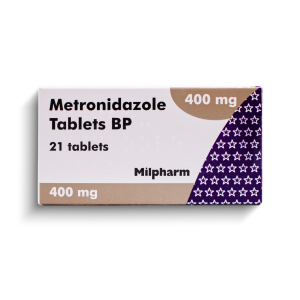
Metronidazole 400mg for Tooth Infection
for Dental Abscess Antibiotics For Tooth Infection
£38.99
Start consultationCan't find what you're looking for?
Start your free consultation and see what products are available to you
Start ConsultationAbout Dental Abscess Antibiotics For Tooth Infection
Dental infections are caused by bacteria getting inside your teeth and gums through holes in the teeth. Dental abscesses are caused by pus build-up beneath your teeth or gums when you have an infection in your mouth.
We can prescribe antibiotics to help fight the bacteria responsible for the tooth infection, reducing swelling and pain. However, it is essential that you make an appointment with your dentist as soon as possible, so that the cause of the problem can be identified and treated.
During your online consultation, we’ll ask you about:
- The infection, including location and any symptoms you’re feeling
- Any medical conditions you have
- Past or present medical allergies, such as to penicillin
- Any medication or treatments you’re currently having
- If you’re pregnant or breastfeeding
This will help your prescriber find a treatment that’s safe and effective for you. Antibiotics are only prescribed when clinically appropriate to reduce unnecessary antibiotic use and antimicrobial resistance.
How it works
Online consultation
Fill out a simple online form with no GP or pharmacy visits.
Clinical review
A UK-registered pharmacist reviews your details to decide the best treatment option for you.
Receive your prescription
If prescribed, you can get express delivery in discreet packaging right to your doorstep.
Delivery Information
Royal Mail Tracked 24
1–2 working days
£3.99
DPD Next Working Day Delivery
Next working day delivery
£6.95
Royal Mail Special Delivery
Guaranteed next working day delivery
£8.95
Discreet Packaging
All orders are sent in plain, unmarked packaging with no indication of the contents. Your privacy is our priority.
Frequently Asked Questions
A dental abscess is a build-up of pus from a bacterial infection in the mouth. It can occur in the teeth, gums or bones that hold teeth together, leading to unpleasant symptoms, such as pain and swelling.
A dental abscess does not go away on its own, so it’s important to seek dental treatment as soon as you can.
A dental abscess happens when bacteria in your mouth enters the tooth or gums and starts to grow, causing pus to form and collect. Several factors can increase your chance of getting a dental abscess, such as:
- Poor oral health, for instance gum disease or plaque build-up
- An impacted tooth (a tooth that is trapped under the gums, such as a wisdom tooth)
- A previous mouth, tooth, or gum injury
- Certain medical treatments, such as radiotherapy
The most common sign of a dental abscess is an intense pain in the affected area that may spread to your jaw, neck or ear. But, not all dental abscesses are painful. Other symptoms include:
- Swelling or redness in the mouth, gum or skin around the affected area
- Increased sensitivity to hot or cold food
- A bad taste in your mouth or bad breath
- Difficulty opening and moving your jaw
- Have a fever or swollen glands
Treatment of dental abscesses typically involve a dentist clearing the pus and the source of the infection. Depending on the location and severity of the infection, this may include drainage, a tooth extraction, or a root canal.
Generally, antibiotics are not used to treat a tooth infection. But, our prescribers may recommend antibiotics if your infection has spread or dental treatment is delayed.
There is no single ‘best’ antibiotic for tooth infections. What antibiotic is right for you depends on several factors, such as the type of bacteria causing your infection. Your prescriber will recommend the best treatment for your needs.
The main antibiotics prescribed for a dental abscess are amoxicillin and metronidazole.
It’s possible to get antibiotics for a tooth infection after a clinical assessment by a licensed prescriber. If they think antibiotics are right for you, they can write you a private prescription.
If you have a dental abscess, it’s best to book an appointment with your dentist for definitive treatment.
In the UK, some pharmacists can prescribe antibiotics if they’ve had further training to obtain a prescribing license. If you need a prescription for antibiotics for a tooth infection, you need to request one from your doctor, dentist, or a registered prescriber.
At My Chemist Plus, our UK-registered prescribers have years of experience reviewing symptoms and helping patients find safe and effective treatment options. Simply fill out a quick medical form for a thorough clinical assessment.
If you have a dental abscess, it’s important to arrange an appointment with your dentist as soon as you can. Sometimes, the infection may spread and cause more noticeable symptoms that need immediate treatment, such as:
- Difficulty breathing
- Swelling or pain in your eye
- Sudden changes to your eyesight
- A large amount of swelling your mouth
If you develop any of these symptoms, seek urgent medical care at A&E or call 999.
One of the most effective ways to reduce your risk of a dental abscess is to practice good oral hygiene. You can look after your teeth and gums by:
- Brushing your teeth twice daily with a fluoride toothpaste
- Using floss or interdental brushes between your teeth everyday
- Changing your toothbrush every one to three months
- Regularly seeing your dentist for oral check-ups
- Eating a well-balanced diet with limited sugary drinks and food
While dental abscesses can be quite painful, there are ways to manage pain and soothe discomfort.
- Take painkillers, such as ibuprofen or paracetamol
- Eat foods that are soft and easy to swallow
- Chew food on the opposite side of the affected area
- Switch to a toothbrush with soft bristles
- Avoid very hot or cold food and drinks
- Limit sugary foods and drinks
Treatment for a dental abscess depends on how severe the infection is and where the infection is located. Your dentist may consider drainage, a tooth extraction, or a root canal.
Typically, antibiotics are prescribed if prompt dental treatment is not available. Your dentist may suggest antibiotics for a tooth infection if the infection has spread or is causing excessive pain or swelling.
Sometimes, a dental abscess can cause pain that spreads from the affected area through to the ear, jaw and neck. It can also give you a temperature or make you feel unwell if the infection has spread. If you have a dental abscess that is causing you severe pain, seek urgent dental care.
A dental abscess does not go away on its own and needs immediate treatment. How long it takes to recover depends on what type of treatment you had. For example, if you had a root canal it may take a few weeks to fully heal.
Generally, most people start to feel better 48 to 72 hours after treatment for a tooth infection, but complete recovery may take several days.
No, a dental abscess cannot heal on its own. If left untreated, the infection may worsen and spread, leading to further issues. If you notice any symptoms of a dental abscess, book an appointment with your dentist as soon as you can.
There are several factors that affect the length of an antibiotic course, such as the type of antibiotic. For example, the standard treatment length for 500mg of amoxicillin in adults is one tablet three times a day for up to five days.
Antibiotics alone cannot cure a dental abscess. While antibiotics can help control the infection and ease symptoms, they do not address the root cause. Dental abscess treatments typically involve drainage, a tooth extraction, or a root canal.
Most people notice a difference 48 to 72 hours after starting antibiotics for a dental abscess. If you do not feel a difference or your symptoms get worse after finishing your treatment course, speak to your doctor or dentist for further guidance.
UK Registered Prescribers & Pharmacists
100% Discretion & Confidentiality
Express Next day Delivery
Verified & Registered Pharmacy
What our patients say
Real reviews from verified patients
Regulated and Safe

General Pharmaceutical Council
My Chemist Plus is registered and regulated by the GPhC, who are the official body that regulates and inspects all pharmacies in the UK. They are responsible to ensure we provide the highest standards in care.
View
LegitScript certification
My Chemist Plus is certified by Legit Script, who monitors online pharmacies to evaluate compliance, adherence and licensing to regulation.
View