
 GPhC Registered: 9012621
Aciclovir tablets for genital herpes
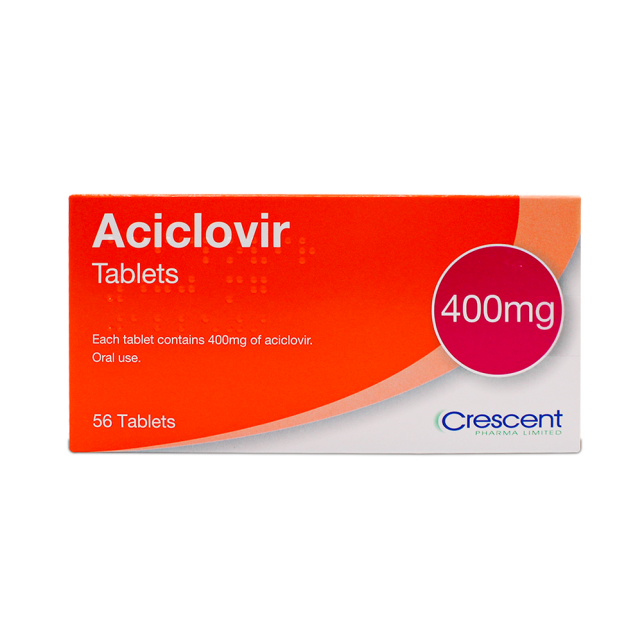
• Antiviral treatment for genital herpes
• Suitable as a treatment course if clinically appropriate
• Prescription-only medicine following online assessment
• Discreet, regulated service with delivery available
Want your order delivered on Tuesday?
Order now and we'll dispatch it on the next working day.
Experienced UK-registered prescribers
Owned by qualified doctors
2-minute consultation
UK-wide express delivery
Product information: Aciclovir tablets for genital herpes
What is Aciclovir?
Aciclovir is an antiviral medicine used to treat infections caused by herpes simplex virus (HSV), including genital herpes. Genital herpes is usually caused by HSV-2, but HSV-1 (the cold sore virus) can also infect the genital area.
Genital herpes can cause:
- Painful blisters and sores on or around the genitals or anus
- Redness, irritation and soreness
- Flu-like symptoms (fever, aches, swollen glands), particularly during a first episode
Aciclovir tablets are a prescription-only medicine in the UK and are supplied following a clinical assessment by a qualified prescriber.
How does Aciclovir work?
Aciclovir works by stopping the herpes virus from multiplying inside infected cells. It interferes with the way the virus copies its genetic material (DNA), which:
- Shortens the length of an outbreak
- Helps blisters and sores heal more quickly
- Reduces pain, soreness and discomfort
- Reduces the amount of virus being shed during an episode
Aciclovir does not remove the virus from your body completely. The virus stays dormant in nerve cells and can reactivate, but treatment can make episodes shorter, milder and sometimes less frequent.
What is Aciclovir used for on this page?
On this product page, aciclovir tablets are used specifically for genital herpes in adults.
Other herpes virus infections (e.g. cold sores on the mouth, chickenpox and shingles) are outside the scope of this genital herpes service.
Who is this treatment suitable for?
Aciclovir tablets may be suitable for adults who:
- Have been diagnosed with genital herpes previously
- Have painful, bothersome or frequent recurrences
- Are able to take tablets regularly as prescribed
- Are not pregnant or breastfeeding
- Do not have significant kidney disease or other conditions that would make aciclovir unsuitable
Your prescriber will review your medical history, other medicines and symptoms to decide if aciclovir is suitable and which regimen is most appropriate.
Who should not take Aciclovir?
Aciclovir tablets may not be suitable if you:
- Are allergic to aciclovir, valaciclovir or any of the tablet ingredients
- Have kidney disease or significantly reduced kidney function
- Are elderly or frail, or at higher risk of dehydration
- Are pregnant, planning pregnancy or breastfeeding, unless a doctor has specifically advised that aciclovir is appropriate for you
You should also tell the prescriber if you are taking:
- Other antiviral medicines (e.g. valaciclovir, famciclovir)
- Medicines that may affect the kidneys (for example certain diuretics, ACE inhibitors, ciclosporin, tacrolimus)
Your clinician will assess your situation and may suggest alternative treatment or referral to your GP or a sexual health clinic if needed.
How do I take Aciclovir for genital herpes?
Your exact dose, frequency and length of course will be confirmed on your prescription. (your prescriber may adjust these to suit you).
General advice for taking Aciclovir
- Swallow tablets whole with water; they can be taken with or without food.
- Try to space doses evenly throughout the day (for example, morning–afternoon–evening).
- Drink plenty of fluids while taking aciclovir, especially if you are older or have any kidney issues.
- Never change your dose, stop long-term therapy suddenly, or extend a course without speaking to a healthcare professional.
How it works
Online consultation
Fill out a simple online form with no GP or pharmacy visits.
Clinical review
A UK-registered pharmacist reviews your details to decide the best treatment option for you.
Receive your prescription
If prescribed, you can get express delivery in discreet packaging right to your doorstep.
Delivery Information
Royal Mail Tracked 24
1–2 working days
£3.99
Royal Mail Special Delivery
Guaranteed next working day delivery
£8.95
Discreet Packaging
All orders are sent in plain, unmarked packaging with no indication of the contents. Your privacy is our priority.
Frequently asked questions about Aciclovir tablets for genital herpes
Aciclovir works best when started early. UK guidance advises oral antiviral treatment within 5 days of the start of the episode, while new lesions are still forming, or if systemic symptoms persist.
No. Aciclovir helps control the outbreak and reduce symptoms, but it does not remove the virus from the body permanently. Future recurrences can still happen.
Yes, oral aciclovir can be used for recurrent genital herpes, but it works best when started early in the episode.
Take it when you remember unless it is close to the next dose. Do not take a double dose to make up for a missed tablet.
Alcohol is not known to directly stop aciclovir working, but if you feel unwell it is sensible to keep alcohol to a minimum until you feel better.
A consultation helps check that aciclovir is appropriate, that treatment is being started in a useful time window, and that there are no symptoms suggesting another diagnosis or a complication needing urgent assessment.
Seek review if symptoms do not improve, if they worsen, if you cannot pass urine, if pain is severe, if lesions are extensive, if you feel very unwell, or if you are not sure the treatment is suiting you.
No. This information supports, but does not replace, advice from your GP, pharmacist, sexual health clinician or another qualified healthcare professional. Always follow the directions on your prescription and the patient information leaflet supplied with your medicine.

Regulated and Safe

General Pharmaceutical Council
My Chemist Plus is registered and regulated by the GPhC, who are the official body that regulates and inspects all pharmacies in the UK. They are responsible to ensure we provide the highest standards in care.

LegitScript certification
My Chemist Plus is certified by Legit Script, who monitors online pharmacies to evaluate compliance, adherence and licensing to regulation.